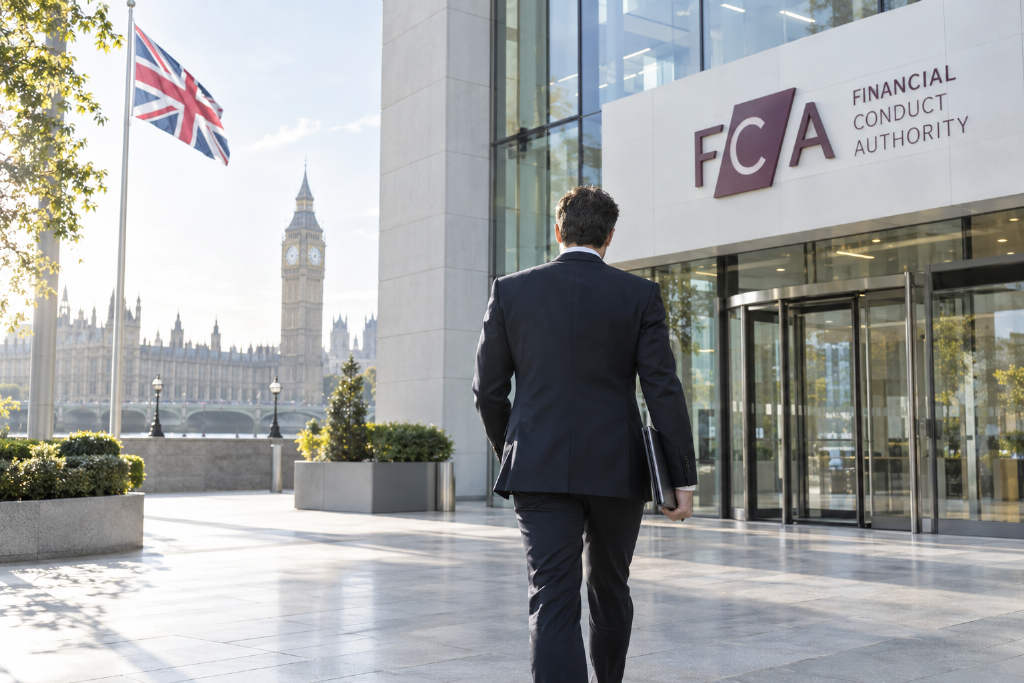
FCA2026-10-02 10:02:42FCA survey finds higher satisfaction and trust among firmsThe UK Financial Conduct Authority (FCA) and the Practitioner Panel said their latest annual survey showed stronger satisfaction, confidence, and trust among regulated firms. According to the results, 79% of respondents said they were highly satisfied with their relationship with the FCA, up from 74% a year earlier, while 75% said they had a high level of trust in the regulator. Firms’ confidence in the FCA’s work on consumer protection and maintaining well-functioning markets remained above 85%. FCA Chief Executive Nikhil Rathi said it was encouraging to see confidence rise one year after the regulator’s strategy was put into effect, though he added that more work remained. Practitioner Panel Chair Matt Hammerstein said the findings pointed to broadly positive views of the FCA and a sharp increase in confidence in its ability to deliver on secondary objectives such as growth and competitiveness. The survey also highlighted areas where firms want more progress, including regulatory burden. The FCA said it had simplified reporting by removing outdated or duplicate data returns for 90% of firms and has continued work on reforms including compensation framework changes, buy now, pay later regulation, and a new cryptoasset regime.80
SEC2026-10-02 08:49:05SEC Commissioner Hester Peirce to Leave on Oct. 2 After Leading Crypto Task ForceU.S. Securities and Exchange Commission Commissioner Hester Peirce is set to leave office on Oct. 2, closing a tenure that made her one of the agency’s most closely watched voices on digital-asset regulation. Peirce previously led the SEC’s crypto task force and has spent years arguing that enforcement should not stand in for workable rules. Her departure comes while the SEC is still working through major crypto rulemaking questions tied to custody, token classification, and market structure. On Oct. 1, SEC Chair Paul Atkins and Commissioner Mark Uyeda issued a departure statement thanking Peirce for her service and highlighting her role in shaping digital-asset policy. The development was reported by NewsBTC and carried by Techub News.100
CLARITY Act2026-09-30 11:56:43Lummis and Tillis departures could complicate the path for the CLARITY ActThe legislative path for the U.S. CLARITY Act is facing a shift as several key figures tied to crypto policymaking prepare to leave their posts. Senator Cynthia Lummis, who has led the effort as chair of the Senate Banking Committee’s digital assets subcommittee, said she will not seek re-election and will step down at the end of the year. Senator Thom Tillis of North Carolina, a key Republican negotiator on the bill, is also set to leave. Both lawmakers have served as important bridge figures in recent debates over U.S. crypto policy. At the same time, Securities and Exchange Commission Commissioner Hester Peirce is nearing the end of her term, which is scheduled to expire this Friday. Peirce has been a central figure in crypto regulation since 2018. According to the report, the departure of these backers could have a significant effect on whether the next Congress is able to revive the CLARITY Act or draft a new version of the legislation.300
CLARITY Act2026-09-30 11:29:11Departures of key officials cloud who will steer the next version of the CLARITY billThe fight around the U.S. digital asset market structure bill known as the CLARITY Act has shifted from a simple question of passage to a more contested one: who gets to write it. The article, written by Cleve Mesidor and republished by WuBlockchain, says the legislative battle was never really about killing the bill outright. Instead, banks, crypto firms, enforcement officials, policy experts and trade groups have all tried to shape the text after the Senate version was rejected in January. Coinbase CEO Brian Armstrong said he opposed moving the draft to committee earlier this year because it had major flaws in provisions covering DeFi, tokenization, Commodity Futures Trading Commission authority and stablecoin yield. He later said those four issues were fixed in a revised draft submitted about four months later. Since then, more groups have pushed to join the rewrite effort. The next phase may be harder because several figures central to crypto policymaking are on their way out. Senator Thom Tillis will leave at the end of the year, Senator Cynthia Lummis will not seek another term, and SEC Commissioner Hester Peirce is set to leave this week. Their exits come as lawmakers, banks and industry groups continue to debate whether the bill can be revived in a lame-duck session, replaced by agency rulemaking, or left behind entirely.280
CLARITY Act2026-09-29 09:40:35After the CLARITY Act setback, U.S. crypto agencies kept moving under existing authorityThe U.S. Senate failed on Sept. 16 to advance the CLARITY Act after a cloture motion on H.R. 3633 drew 49 votes in favor and 50 against, short of the 60-vote threshold. Yet the market did not weaken in the 13 days that followed. Bitget data cited in the source showed Bitcoin rose about 10.77% and Ether gained about 12.81% from Sept. 16 to Sept. 29, with BTC up 6.7% and ETH up about 4.95% on Sept. 21 alone. The article argues that the legislative setback did not freeze U.S. crypto regulation. The Securities and Exchange Commission rolled out an innovation exemption for tokenized NMS stock trading venues, advanced its proposed Regulation Crypto Assets framework, and updated staff FAQs on token buybacks, network upgrades, and marketing. The Commodity Futures Trading Commission took a narrower path, updating guidance on tokenized forms of eligible assets and moving a separate crypto market rulemaking project into OMB/OIRA review. At the same time, support for broader crypto legislation remained visible across Washington. The White House, Treasury Department, Federal Reserve, and California state government all continued to push related measures, including implementation work tied to the GENIUS Act and new state-level restrictions and enforcement tools involving crypto assets.190
CLARITY bill2026-09-28 06:36:10After the CLARITY bill failed in the Senate, the SEC and CFTC moved to fill parts of the gapThe U.S. Senate failed to advance the CLARITY bill on Sept. 15, with a procedural vote ending at 49-50, 425 days after the measure had passed the House with bipartisan support. For the crypto industry, that looked like a serious setback: the bill was supposed to bring clearer lines between the Securities and Exchange Commission and the Commodity Futures Trading Commission, reduce years of enforcement-driven uncertainty, and give firms a more workable path for operating in the U.S. market. But the story changed within two days. On Thursday, the SEC rolled out an "innovation exemption" that allows venues trading tokenized securities to operate for as long as five years without registering as national securities exchanges. The move applies immediately and covers tokenized versions of stocks already listed on U.S. exchanges, as well as stocks tokenized by third parties. The same day, the CFTC issued Staff Letter 26-25, saying passive software providers such as wallets, apps, and interfaces that route orders in CFTC-regulated crypto derivatives would not face enforcement risk as unregistered brokers. It also submitted a pre-rule proposal covering crypto asset trading and market structure. The result is a mixed picture. Congress did not deliver the statute the industry wanted, and agency rules remain more vulnerable to reversal or court challenges than legislation. Even so, both regulators have started building, piece by piece, parts of the regulatory framework that the market has been asking for.310
Brian Armstro2026-09-28 00:04:15Brian Armstrong urges voters to check candidates’ crypto stance before midterm electionsBrian Armstrong said in a post on X that the U.S. midterm elections are about five weeks away and urged voters to review where candidates stand on crypto before casting their ballots. He framed the issue as nonpartisan, saying the debate is not about party politics but about whether the next generation of financial technology will be built in the United States. The remarks focused on crypto policy as a technology and development issue rather than a partisan one. Armstrong’s post did not add further details beyond that appeal, but it placed candidate positions on digital assets at the center of his message ahead of the vote.250
Policy Regula2026-09-26 16:06:03Crypto policy in Washington shifts to regulators after the Clarity Act stalls in the SenateThe U.S. crypto industry is changing course after its long-running push for a market-structure law hit a wall in the Senate. Last week, the Clarity Act failed to advance in a 49-50 procedural vote, far short of the 60 votes required, after negotiations broke down over ethics provisions tied to President Donald Trump’s crypto ventures. Senator Cynthia Lummis, one of the bill’s main architects, said the effort is effectively finished for this year. That setback did not freeze policymaking. It pushed it into the hands of federal agencies. Within 48 hours, the Securities and Exchange Commission, the Commodity Futures Trading Commission, and the Federal Reserve each moved on crypto-related rules or guidance. SEC Chairman Paul Atkins introduced an “innovation exemption” that would allow qualifying venues to trade tokenized U.S. stocks on-chain without registering as national securities exchanges. The CFTC issued a no-action position covering passive software providers, including crypto wallet apps, and also sent a broader crypto-markets rulemaking package to the White House for review. The Federal Reserve, meanwhile, proposed stablecoin rules requiring full backing with safe, liquid assets and capital against operational risk as part of the rollout of the GENIUS Act. Industry figures are increasingly treating agency action as the most workable route for now, even if rules written by regulators can take longer, face court challenges more easily, and be reversed more readily than legislation.250